Bridging Disciplines, Building Futures: Launching ABC2 as a Platform for Architecture and Built Environment Research
DOI:
https://doi.org/10.66408/abc2.2025.26Keywords:
Architecture , Building, Construction, Cities, Transdisciplinary research, Built environment, Knowledge spaces, SustainabilityAbstract
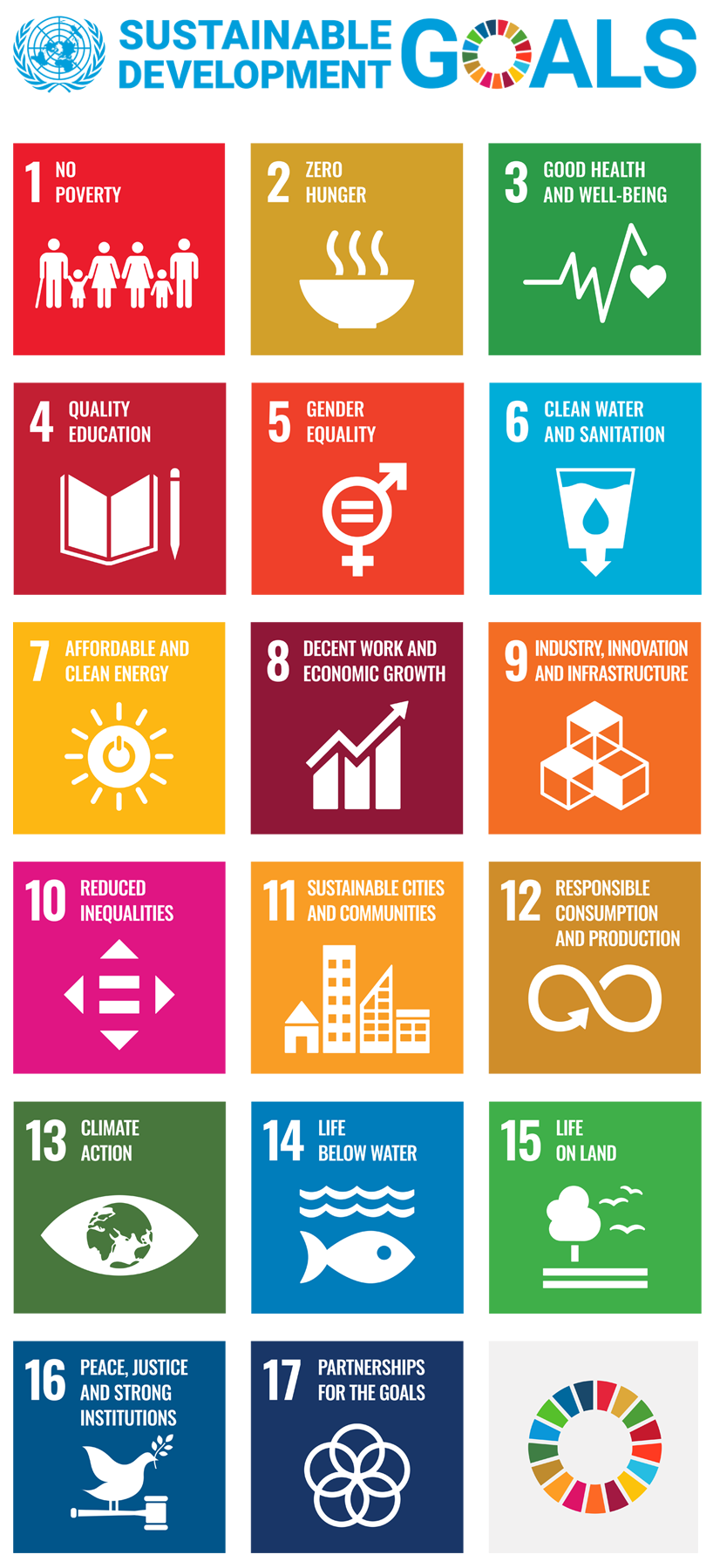
This editorial introduces ABC2: Journal of Architecture, Building, Construction, and Cities as a scholarly response to the escalating complexity of global built environment challenges. Rapid urbanisation, climate change, resource depletion, housing crises, and social inequality demand a departure from fragmented, discipline-specific research approaches. The editorial argues that prevailing academic silos—separating architecture, building science, construction management, and urban studies—limit the capacity of research to address these interconnected issues holistically. ABC2 is positioned as a trans-disciplinary platform designed to bridge these divides by cultivating “knowledge spaces” where theoretical, methodological, and practical perspectives intersect. Drawing on the complementary expertise of its editors-in-chief, the journal foregrounds both human-centred and technology-driven approaches, integrating socio-cultural inquiry with digital innovation. The editorial outlines ABC2’s vision, scope, and ethical commitments, emphasising rigorous peer review, research integrity, and open-access dissemination under a Creative Commons licence. It also introduces the journal’s three article types and highlights its alignment with global sustainability agendas, including the UN Sustainable Development Goals. The inaugural issue exemplifies this vision through geographically diverse and methodologically plural contributions spanning cities, buildings, construction systems, and architectural experience. Collectively, these articles demonstrate how boundary-crossing research can generate actionable knowledge with real-world relevance. The editorial concludes with a call to action, inviting scholars, practitioners, and policymakers worldwide to contribute to a shared, integrated knowledge base capable of shaping more sustainable, resilient, and equitable built environments.
Downloads
Published
Issue
Section
How to Cite
License
Copyright (c) 2025 Ashraf M. Salama, Farzad Rahimian (Author)

This work is licensed under a Creative Commons Attribution 4.0 International License.