Advancing SDGs‑Driven Urban Resilience Pathways in the Global South: An Integrated PSR–VIKOR Evaluation of Sustainability, Equity, and Governance
DOI:
https://doi.org/10.66408/abc2.2026.49Keywords:
Environmental sustainability, Governance coordination, Socio-spatial inclusivity, Housing informality, Mobility accessibilityAbstract
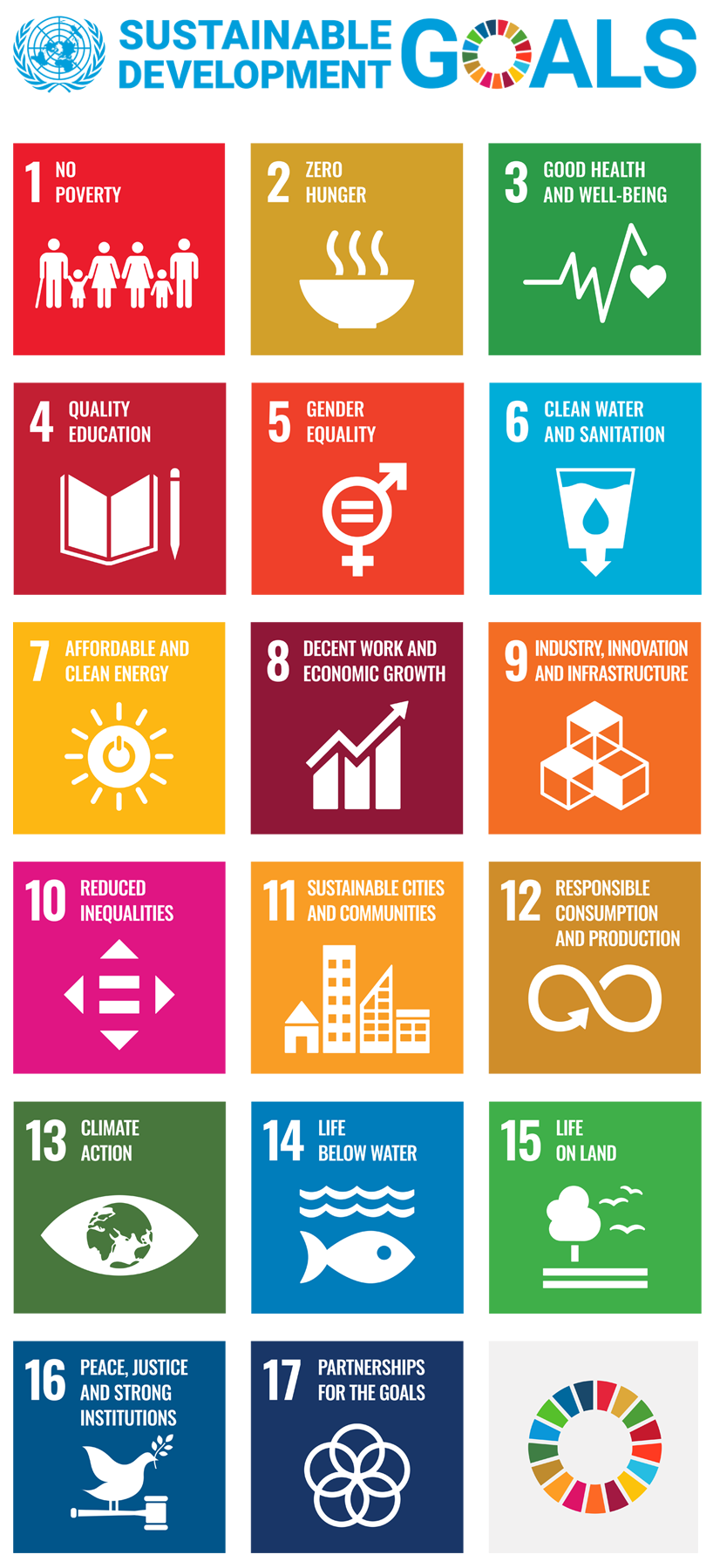
The paper examines how SDG‑aligned sustainability, governance, and socio‑spatial equity shape pandemic resilience in Cairo and Alexandria cities, two major urban centers in the Global South facing compounded pressures from environmental stressors, institutional fragmentation, and systemic health vulnerabilities. The research underscores how gaps in housing conditions, mobility accessibility, data interoperability, and coordinated governance, exposed during COVID‑19, directly intersect with SDGs 3, 10, 11, 13, 16, and 17. A four‑phase sequential mixed‑methods design was employed. The paper synthesizes global knowledge on sustainability and resilience; conducts an SDG‑coded qualitative review of Egyptian urban policies; applies statistical association tests to evaluate structural relationships among pressures, state variables, and resilience responses; and uses the VIšeKriterijumska Optimizacija I Kompromisno Rešenje (VIKOR) method to prioritize resilience drivers. Technology plays a critical role across these phases, particularly through reliance on data‑driven analytical tools, metropolitan‑scale information systems, and decision‑support methodologies. The paper highlights the importance of interoperable data platforms, digital governance infrastructure, and computational decision models for strengthening SDG‑oriented planning. Findings show that Environmental Sustainability and Climate Co‑benefits are the strongest drivers of pandemic resilience, followed by Governance and Institutional Coordination. Mobility and Social‑Spatial Inclusivity emerge as key mediating factors influencing urban resilience, while housing inequality maintains a weaker but significant role. These results validate the need for technologically enabled, risk‑informed, and equity‑centered planning. The paper demonstrates that integrated analytical frameworks and enhanced urban data systems can support transformative, SDG‑aligned resilience strategies, informing policymakers seeking socially just, technologically supported, and environmentally responsive urban futures.

Downloads
Published
Issue
Section
How to Cite
License
Copyright (c) 2026 Mina N. Younan, Ahmed O. El-Kholei, Ghada A. Yassein

This work is licensed under a Creative Commons Attribution 4.0 International License.